Medical certification programs by state
7,167 medical certification programs in 9 fields of medical office and lab work, with costs, results and funding that can make them free
2,301 schools offer these programs in all 50 states, DC and 3 territories, and each state on this page approved its programs for workforce funding. Compare the 9 fields below, or pick a state on the map or in the table to see its programs side by side.
These programs lead to the support jobs that keep clinics, labs and pharmacies running: medical assistants, phlebotomists who draw blood, EKG technicians and pharmacy technicians, and office work in medical billing, coding and healthcare administration. Most are certificate programs, and many prepare for a certification exam.
Compare medical certification programs across the US: cost, pay and results
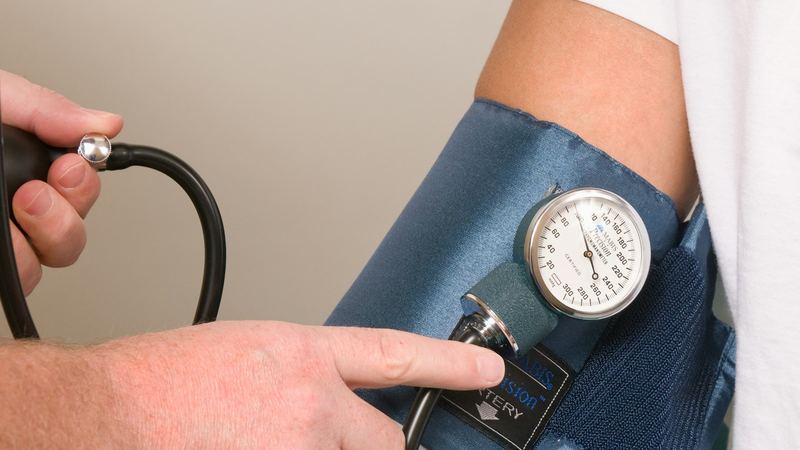
1,865 programs in all 50 states, DC and 1 territory
- Most cost
- $3,376 to $10,175
- Earned a year, estimated
- about $29,200
- Working 6 months later
- 80%
- Finished
- 75%

1,297 programs in 49 states, DC and 3 territories
- Most cost
- $2,495 to $6,248
- Earned a year, estimated
- about $32,300
- Working 6 months later
- 69%
- Finished
- 73%
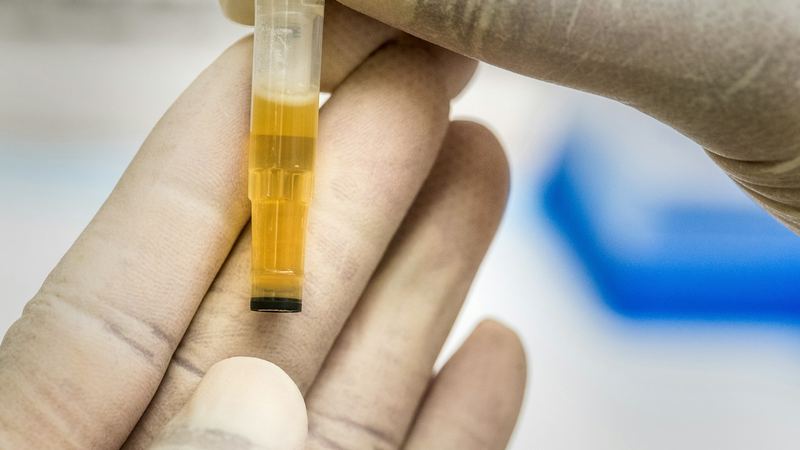
1,153 programs in all 50 states and 2 territories
- Most cost
- $999 to $2,672
- Earned a year, estimated
- about $27,000
- Working 6 months later
- 77%
- Finished
- 86%

907 programs in 47 states, DC and 2 territories
- Most cost
- $2,500 to $7,644
- Earned a year, estimated
- about $29,800
- Working 6 months later
- 72%
- Finished
- 66%

847 programs in 48 states, DC and 3 territories
- Most cost
- $1,750 to $5,250
- Earned a year, estimated
- about $26,400
- Working 6 months later
- 74%
- Finished
- 72%

385 programs in 46 states, DC and 1 territory
- Most cost
- $2,984 to $10,352
- Earned a year, estimated
- about $35,700
- Working 6 months later
- 69%
- Finished
- 53%
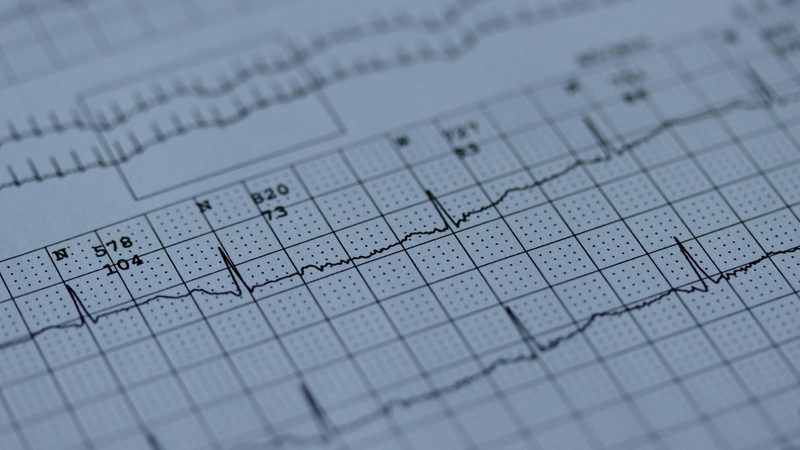
337 programs in 41 states and 1 territory
- Most cost
- $800 to $2,000
- Earned a year, estimated
- about $26,900
- Working 6 months later
- 70%
- Finished
- 88%

255 programs in 40 states
- Most cost
- $6,281 to $15,343
- Earned a year, estimated
- about $41,900
- Working 6 months later
- 79%
- Finished
- 60%

121 programs in 31 states
- Most cost
- $3,995 to $9,960
- Earned a year, estimated
- about $36,200
- Working 6 months later
- 76%
- Finished
- 50%


Each figure is the middle program of that field across the US. Yearly earnings are the reported quarter times four, an estimate. Source: US Department of Labor, program year 2024 (July 2024 to June 2025). Only programs approved for workforce funding are counted. How these figures are made
Medical certification programs by state: cost, pay and results
| State | Programs | Most cost | Earned a year, estimated | Working 6 months later | Finished |
|---|---|---|---|---|---|
| Alabama | 78 | $1,624 to $8,969 | about $22,500 | Left out | 84% |
| Alaska | 23 | $4,500 to $17,098 | about $32,700 | 73% | 67% |
| Arizona | 119 | $3,072 to $11,895 | about $33,200 | 94% | 68% |
| Arkansas | 78 | $2,185 to $6,668 | about $28,400 | 66% | 65% |
| California | 517 | $1,575 to $6,000 | about $36,900 | 67% | 84% |
| Colorado | 106 | $2,266 to $6,000 | about $34,200 | 60% | 64% |
| Connecticut | 79 | $1,200 to $4,354 | about $30,000 | 81% | 93% |
| Delaware | 23 | $2,613 to $4,432 | about $22,300 | 41% | 82% |
| District of Columbia | 5 | $4,740 | Not reported | Not reported | Not enough data |
| Florida | 256 | $2,724 to $7,545 | about $29,000 | 77% | 73% |
| Georgia | 209 | $2,506 to $7,391 | about $26,300 | 78% | 63% |
| Guam | 3 | Too few figures to show | |||
| Hawaii | 33 | $2,000 to $4,323 | about $34,600 | 78% | 89% |
| Idaho | 34 | $3,455 to $7,998 | Not enough data | Left out | 88% |
| Illinois | 328 | Left out | Not enough data | Not enough data | Not reported |
| Indiana | 431 | $2,400 to $4,912 | about $28,800 | 75% | 75% |
| Iowa | 85 | $2,574 to $11,392 | about $32,200 | 86% | 67% |
| Kansas | 51 | $1,700 to $7,500 | about $32,200 | 42% | 75% |
| Kentucky | 130 | $1,558 to $11,174 | about $24,000 | 74% | 75% |
| Louisiana | 305 | $2,000 to $6,900 | about $23,300 | Left out | Left out |
| Maine | 64 | $2,495 to $5,637 | about $36,200 | 84% | 78% |
| Maryland | 93 | $1,795 to $4,899 | about $29,100 | 73% | 71% |
| Massachusetts | 108 | $2,795 to $7,036 | Not enough data | Not enough data | Not enough data |
| Michigan | 310 | $2,700 to $8,541 | about $29,700 | 79% | 70% |
| Minnesota | 145 | $3,763 to $10,140 | about $28,800 | 76% | 52% |
| Mississippi | 71 | $925 to $8,325 | Not enough data | Not enough data | Left out |
| Missouri | 246 | $2,000 to $6,000 | Not enough data | Not enough data | Not enough data |
| Montana | 32 | $3,092 to $5,305 | Not enough data | Not enough data | Not enough data |
| Nebraska | 63 | $2,000 to $6,346 | about $35,900 | 78% | 67% |
| Nevada | 81 | $2,481 to $5,597 | about $25,000 | Left out | 66% |
| New Hampshire | 72 | $2,221 to $5,715 | Not enough data | Left out | 86% |
| New Jersey | 94 | $1,687 to $4,000 | Not enough data | Not enough data | Not enough data |
| New Mexico | 53 | $2,199 to $8,520 | about $31,800 | 64% | Left out |
| New York | 106 | $1,702 to $4,485 | Not enough data | Not enough data | Not enough data |
| North Carolina | 365 | $198 to $4,208 | about $29,700 | 76% | 61% |
| North Dakota | 10 | $5,430 to $23,157 | Not enough data | Not enough data | Not enough data |
| Ohio | 518 | $2,018 to $8,858 | Not enough data | 78% | 69% |
| Oklahoma | 83 | $788 to $3,132 | about $30,600 | Left out | 88% |
| Oregon | 28 | $3,228 to $7,676 | about $35,100 | 100% | Not enough data |
| Pennsylvania | 96 | $2,840 to $12,396 | Not enough data | Left out | 83% |
| Puerto Rico | 26 | $10,694 to $20,062 | Not enough data | Left out | Left out |
| Rhode Island | 12 | $3,640 to $9,800 | about $30,400 | 77% | 71% |
| South Carolina | 46 | $1,330 to $4,000 | about $24,500 | 74% | 79% |
| South Dakota | 26 | $4,730 to $15,555 | Not enough data | Left out | 56% |
| Tennessee | 197 | $1,799 to $9,409 | about $26,800 | 78% | 77% |
| Texas | 551 | $2,300 to $9,346 | about $25,800 | 74% | 80% |
| US Virgin Islands | 26 | $1,619 to $4,750 | about $33,200 | 44% | 76% |
| Utah | 59 | $2,027 to $3,811 | about $29,400 | Left out | 75% |
| Vermont | 31 | $2,700 to $4,000 | about $36,000 | 57% | 64% |
| Virginia | 239 | $1,800 to $4,239 | about $26,800 | 74% | 92% |
| Washington | 207 | $2,675 to $9,862 | about $35,300 | 79% | 71% |
| West Virginia | 16 | $9,089 to $19,500 | about $28,600 | Left out | 82% |
| Wisconsin | 155 | $2,898 to $7,825 | about $32,200 | 78% | 50% |
| Wyoming | 45 | $2,000 to $4,000 | about $27,100 | Left out | 90% |
Each figure is the middle program in that state, all medical office and lab work fields together. Open a state to compare its fields.
Other job training by line of work
- Trade school programs13,156
- IT certification programs7,854
- Business and office training7,270
- Nursing and patient care programs4,782
- Allied health programs3,572
- Transportation and logistics training3,558
- First responder training2,561
- Child care and social services training1,952
- Beauty school1,043
- Culinary and hospitality programs900
Programs approved across the US in each line of work.
Where the medical certification numbers come from
Which programs are counted?
Programs approved for WIOA funding (public workforce funding under the Workforce Innovation and Opportunity Act) in the fields listed above. Each state keeps its approved programs on an eligible training provider list (ETPL).5 They come from the US Department of Labor's file for program year 2024 (July 2024 to June 2025), covering programs approved as of June 30, 2025. Schools that never applied for approval are missing.
What the figures mean
Each figure is the middle program among those that report it: half did better, half did worse. Prices are what most programs cost if you pay yourself (the middle half). Earnings are for the second quarter after students left, times four. Where a figure is missing, it says why: "Not reported", "Left out" or "Not enough data" (what each means). Some states' figures carry a note on their own pages.
Sources for the funding facts about medical certification programs
Show the 5 sourcesHide the sources
- US Department of Labor, TrainingProviderResults.gov: About This Site
- US Department of Labor: WIOA Adult Program
- Code of Federal Regulations, title 20, part 680, sections 680.220, 680.230 and 680.310: career services before training, other grants such as Pell Grants first, and limits on Individual Training Accounts (GovInfo, 2024 edition)
- US Department of Labor: American Job Centers
- US Department of Labor, Training and Employment Guidance Letter 8-19, Attachment I: Requirements for Training Providers, Program Eligibility, and the State Eligible Training Provider (ETP) List