Trade school programs by state
13,156 trade school programs in 23 fields of skilled trades, with costs, results and funding that can make them free
2,420 schools offer these programs in all 50 states and 3 territories, and each state on this page approved its programs for workforce funding. Compare the 23 fields below, or pick a state on the map or in the table to see its programs side by side.
Trade school programs teach hands-on work with tools, machines and building systems. That runs from building work like carpentry, plumbing and electrical, through repairing cars, diesel trucks, heating and cooling systems and factory machinery, to welding, sheet metal, masonry, auto body repair, CNC machining, manufacturing and electronics work, solar and wind installation, water treatment, workplace safety, running heavy equipment and cranes, and inspecting homes. Most are certificates; some are two-year degrees or apprenticeships.
Compare trade school programs across the US: cost, pay and results
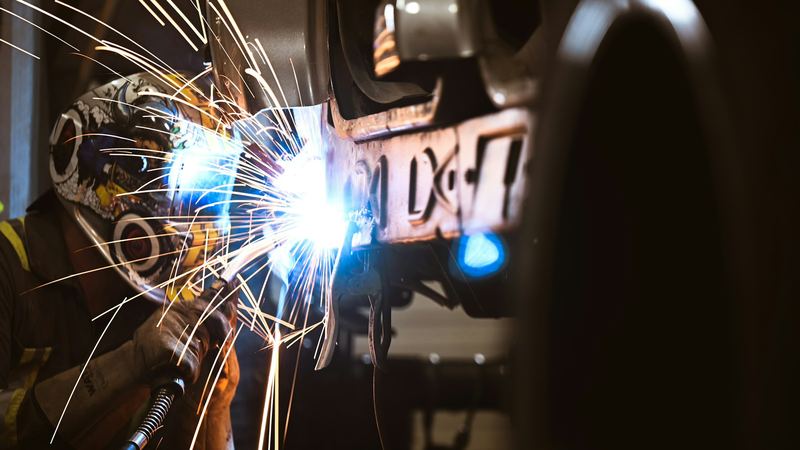
2,307 programs in 49 states and 3 territories
- Most cost
- $2,440 to $7,689
- Earned a year, estimated
- about $33,900
- Working 6 months later
- 71%
- Finished
- 75%
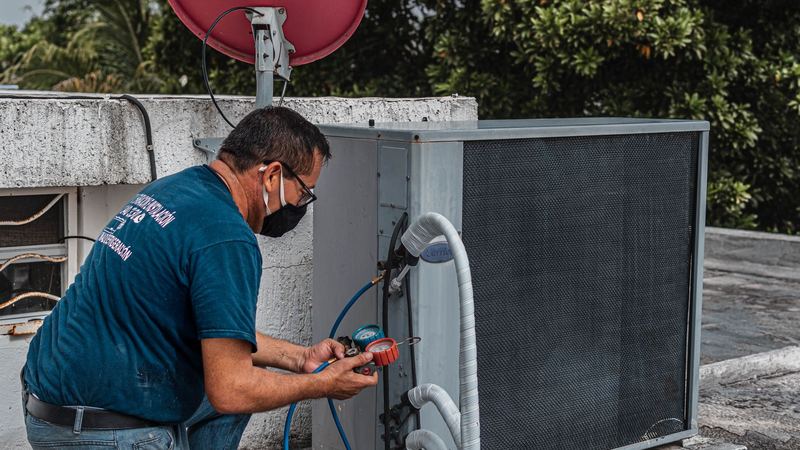
1,340 programs in 47 states and 3 territories
- Most cost
- $2,538 to $9,170
- Earned a year, estimated
- about $37,800
- Working 6 months later
- 74%
- Finished
- 75%
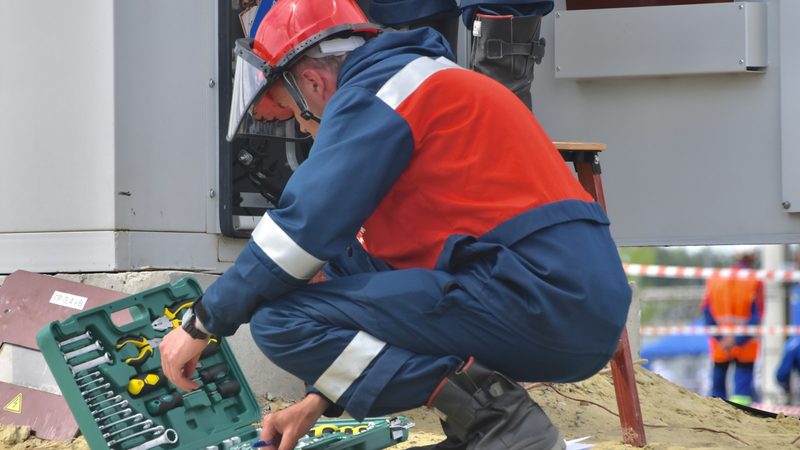
1,298 programs in 46 states and 1 territory
- Most cost
- $3,067 to $8,806
- Earned a year, estimated
- about $50,400
- Working 6 months later
- 81%
- Finished
- 67%
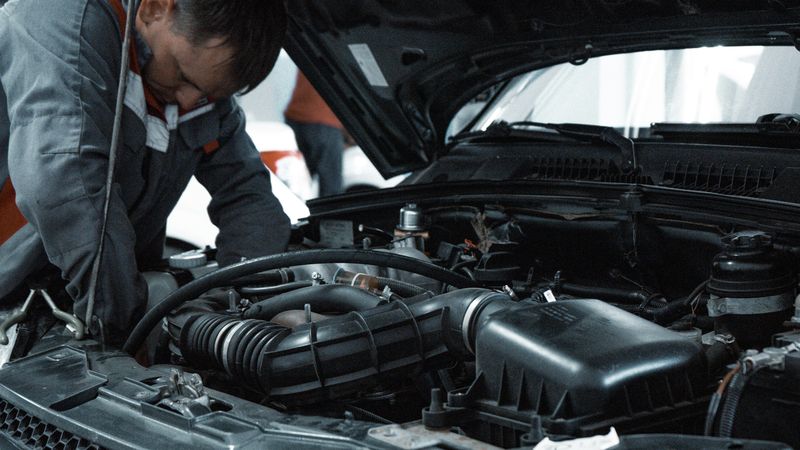
1,108 programs in 49 states and 2 territories
- Most cost
- $2,784 to $9,735
- Earned a year, estimated
- about $32,900
- Working 6 months later
- 74%
- Finished
- 60%
1,004 programs in 47 states and 3 territories
- Most cost
- $2,376 to $7,732
- Earned a year, estimated
- about $37,500
- Working 6 months later
- 79%
- Finished
- 78%
918 programs in 44 states and 1 territory
- Most cost
- $2,301 to $7,400
- Earned a year, estimated
- about $40,700
- Working 6 months later
- 80%
- Finished
- 71%

833 programs in all 50 states, DC and 3 territories
- Most cost
- $2,000 to $7,085
- Earned a year, estimated
- about $34,800
- Working 6 months later
- 70%
- Finished
- 78%

668 programs in 42 states
- Most cost
- $1,683 to $6,164
- Earned a year, estimated
- Not enough data
- Working 6 months later
- Not enough data
- Finished
- Not enough data
579 programs in 46 states and 1 territory
- Most cost
- $2,743 to $8,827
- Earned a year, estimated
- about $39,000
- Working 6 months later
- 75%
- Finished
- 58%

465 programs in 41 states and 1 territory
- Most cost
- $2,595 to $10,000
- Earned a year, estimated
- about $40,200
- Working 6 months later
- 77%
- Finished
- 58%

446 programs in 42 states and 1 territory
- Most cost
- $4,272 to $11,620
- Earned a year, estimated
- about $40,200
- Working 6 months later
- 78%
- Finished
- 70%
384 programs in 44 states and 2 territories
- Most cost
- $1,770 to $6,028
- Earned a year, estimated
- Not enough data
- Working 6 months later
- Not enough data
- Finished
- 77%

361 programs in 39 states and 1 territory
- Most cost
- $2,248 to $7,000
- Earned a year, estimated
- about $29,600
- Working 6 months later
- 69%
- Finished
- 73%

301 programs in 35 states and 2 territories
- Most cost
- $3,134 to $9,664
- Earned a year, estimated
- about $29,900
- Working 6 months later
- 73%
- Finished
- 69%
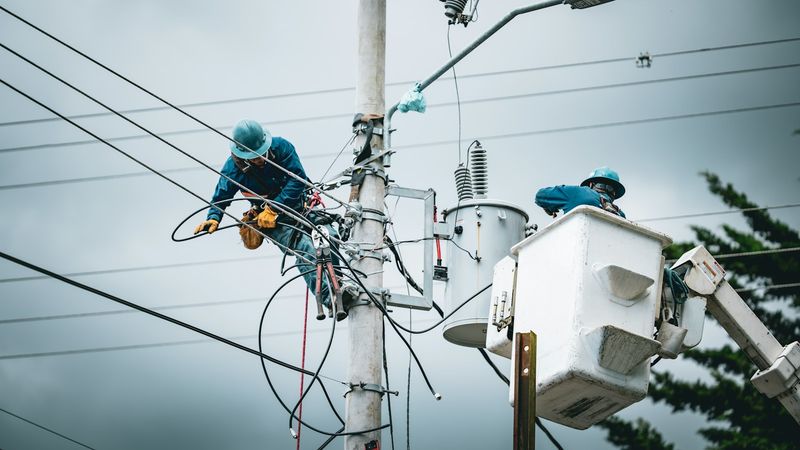
282 programs in 39 states
- Most cost
- $3,500 to $10,313
- Earned a year, estimated
- about $47,100
- Working 6 months later
- 82%
- Finished
- 89%
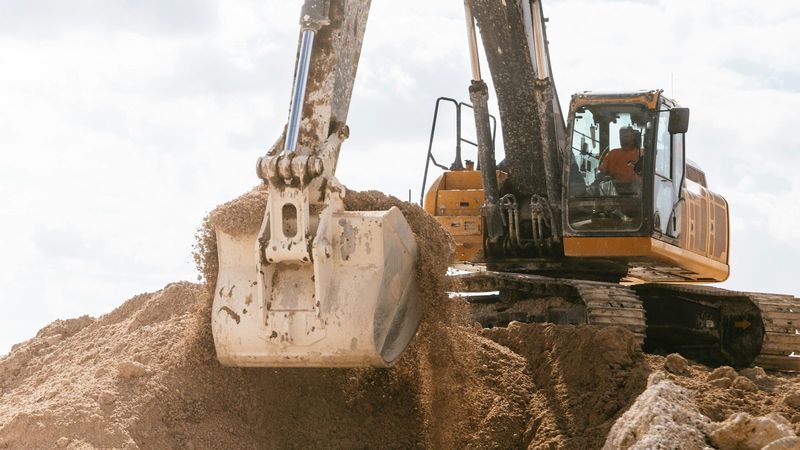
215 programs in 43 states
- Most cost
- $3,526 to $9,999
- Earned a year, estimated
- about $38,300
- Working 6 months later
- 73%
- Finished
- 93%

150 programs in 30 states and 2 territories
- Most cost
- $1,995 to $9,450
- Earned a year, estimated
- about $44,500
- Working 6 months later
- 71%
- Finished
- 82%
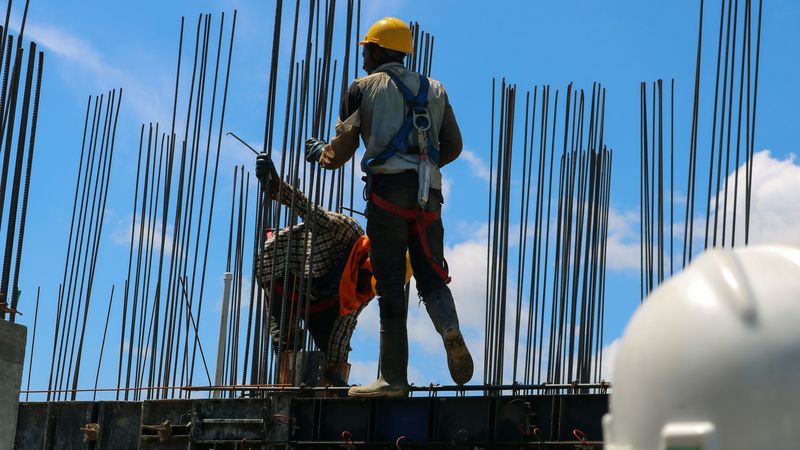
128 programs in 22 states
- Most cost
- $345 to $4,597
- Earned a year, estimated
- about $50,300
- Working 6 months later
- 75%
- Finished
- 98%
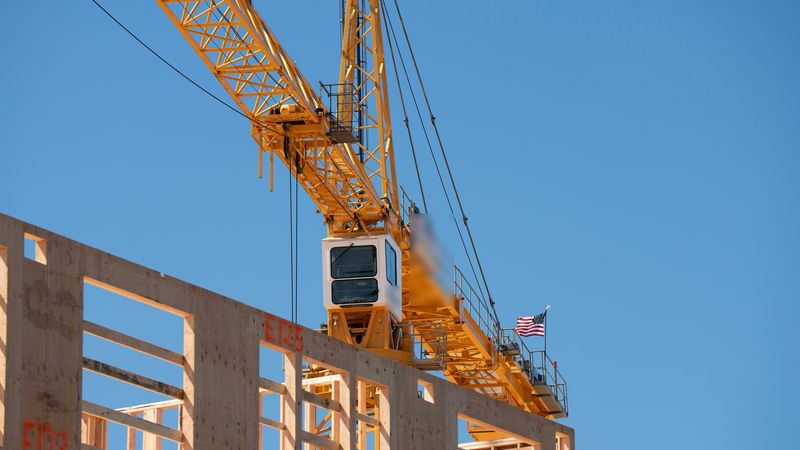
105 programs in 20 states
- Most cost
- $2,500 to $7,481
- Earned a year, estimated
- about $57,600
- Working 6 months later
- 74%
- Finished
- 100%
72 programs in 20 states and 1 territory
- Most cost
- $2,372 to $8,106
- Earned a year, estimated
- Not enough data
- Working 6 months later
- Not enough data
- Finished
- Not enough data
67 programs in 26 states
- Most cost
- $1,518 to $3,633
- Earned a year, estimated
- Not enough data
- Working 6 months later
- Not enough data
- Finished
- Not enough data

66 programs in 24 states
- Most cost
- $1,646 to $6,802
- Earned a year, estimated
- about $49,800
- Working 6 months later
- 83%
- Finished
- 62%

59 programs in 15 states
- Most cost
- $1,200 to $6,355
- Earned a year, estimated
- Not enough data
- Working 6 months later
- Not enough data
- Finished
- Not enough data


Each figure is the middle program of that field across the US. Yearly earnings are the reported quarter times four, an estimate. Source: US Department of Labor, program year 2024 (July 2024 to June 2025). Only programs approved for workforce funding are counted. How these figures are made
Trade school programs by state: cost, pay and results
| State | Programs | Most cost | Earned a year, estimated | Working 6 months later | Finished |
|---|---|---|---|---|---|
| Alabama | 128 | $4,428 to $11,845 | about $32,500 | Left out | 70% |
| Alaska | 120 | $3,090 to $10,000 | about $34,000 | 72% | 92% |
| Arizona | 190 | $2,661 to $7,118 | about $27,900 | 75% | 48% |
| Arkansas | 199 | $2,438 to $7,966 | about $29,600 | 62% | 60% |
| California | 644 | $1,100 to $5,735 | about $44,200 | 71% | 83% |
| Colorado | 269 | $2,405 to $9,767 | about $35,600 | 50% | 51% |
| Connecticut | 52 | $3,500 to $8,500 | about $44,800 | 83% | 92% |
| Delaware | 35 | $2,245 to $4,102 | Not enough data | 81% | 87% |
| Florida | 360 | $2,778 to $5,849 | about $34,200 | 71% | 74% |
| Georgia | 344 | $2,708 to $6,985 | about $32,500 | 71% | 38% |
| Hawaii | 22 | $3,067 to $9,704 | about $29,900 | 77% | 41% |
| Idaho | 66 | $2,590 to $7,600 | Not enough data | Left out | 92% |
| Illinois | 692 | Left out | Not enough data | Not enough data | Not reported |
| Indiana | 730 | $2,726 to $5,840 | about $39,400 | 73% | 73% |
| Iowa | 200 | $3,535 to $13,737 | about $36,700 | 83% | 53% |
| Kansas | 80 | $2,067 to $9,022 | Not enough data | 83% | 71% |
| Kentucky | 207 | Not enough data | about $30,400 | 72% | 82% |
| Louisiana | 335 | $1,312 to $8,206 | about $35,700 | Left out | Left out |
| Maine | 80 | $1,644 to $4,896 | about $40,300 | 75% | 70% |
| Maryland | 75 | $1,982 to $5,272 | about $37,600 | 64% | 73% |
| Massachusetts | 92 | $4,675 to $9,800 | Not enough data | Not enough data | Not enough data |
| Michigan | 392 | $4,641 to $12,908 | about $41,500 | 82% | 68% |
| Minnesota | 521 | $2,979 to $10,597 | about $38,700 | 78% | 64% |
| Mississippi | 318 | $1,635 to $7,975 | about $30,600 | 78% | Left out |
| Missouri | 545 | $3,000 to $11,433 | Not enough data | Not enough data | Not enough data |
| Montana | 29 | $6,736 to $13,402 | Not enough data | Not enough data | Not enough data |
| Nebraska | 168 | $2,070 to $7,571 | about $41,800 | 77% | 65% |
| Nevada | 121 | $2,075 to $6,838 | Not enough data | Left out | 88% |
| New Hampshire | 76 | $1,500 to $6,500 | about $35,700 | Left out | 92% |
| New Jersey | 53 | $2,775 to $13,635 | Not enough data | Not enough data | Not enough data |
| New Mexico | 106 | $2,602 to $5,958 | about $37,700 | 59% | Left out |
| New York | 92 | $2,103 to $8,350 | Not enough data | Not enough data | Not enough data |
| North Carolina | 404 | $380 to $5,168 | about $36,900 | 69% | 49% |
| North Dakota | 59 | $5,621 to $13,758 | about $38,300 | 75% | 77% |
| Northern Mariana Islands | 3 | Too few figures to show | |||
| Ohio | 776 | $2,720 to $10,128 | Not enough data | Not enough data | Not enough data |
| Oklahoma | 221 | $2,104 to $5,486 | about $35,400 | Left out | 85% |
| Oregon | 57 | $3,794 to $13,595 | about $36,100 | 100% | Not enough data |
| Pennsylvania | 372 | $5,022 to $17,000 | Not enough data | Left out | 86% |
| Puerto Rico | 44 | $7,235 to $13,569 | about $13,300 | Left out | Left out |
| Rhode Island | 8 | $1,392 to $17,050 | Not enough data | Not enough data | Not enough data |
| South Carolina | 33 | $3,847 to $6,681 | about $34,800 | 81% | 83% |
| South Dakota | 69 | $7,346 to $17,394 | about $43,700 | Left out | 76% |
| Tennessee | 327 | $4,143 to $6,680 | about $34,000 | 80% | 77% |
| Texas | 1,392 | $2,640 to $8,110 | about $35,500 | 73% | 69% |
| US Virgin Islands | 19 | $500 to $2,334 | Not enough data | Not enough data | 93% |
| Utah | 108 | $2,517 to $5,737 | about $39,800 | Left out | 49% |
| Vermont | 17 | $5,875 to $26,075 | about $33,800 | 80% | 92% |
| Virginia | 481 | $1,260 to $4,500 | about $38,600 | 64% | 100% |
| Washington | 914 | $1,600 to $7,980 | about $40,400 | 77% | 71% |
| West Virginia | 33 | $2,785 to $8,022 | about $47,200 | Left out | 93% |
| Wisconsin | 417 | $2,850 to $9,724 | about $42,000 | 78% | 67% |
| Wyoming | 57 | $2,832 to $8,561 | about $21,600 | Left out | 61% |
Each figure is the middle program in that state, all skilled trades fields together. Open a state to compare its fields.
Other job training by line of work
- IT certification programs7,854
- Business and office training7,270
- Medical certification programs7,167
- Nursing and patient care programs4,782
- Allied health programs3,572
- Transportation and logistics training3,558
- First responder training2,561
- Child care and social services training1,952
- Beauty school1,043
- Culinary and hospitality programs900
Programs approved across the US in each line of work.
Where the trade school numbers come from
Which programs are counted?
Programs approved for WIOA funding (public workforce funding under the Workforce Innovation and Opportunity Act) in the fields listed above. Each state keeps its approved programs on an eligible training provider list (ETPL).5 They come from the US Department of Labor's file for program year 2024 (July 2024 to June 2025), covering programs approved as of June 30, 2025. Schools that never applied for approval are missing.
What the figures mean
Each figure is the middle program among those that report it: half did better, half did worse. Prices are what most programs cost if you pay yourself (the middle half). Earnings are for the second quarter after students left, times four. Where a figure is missing, it says why: "Not reported", "Left out" or "Not enough data" (what each means). Some states' figures carry a note on their own pages.
Sources for the funding facts about trade school programs
Show the 5 sourcesHide the sources
- US Department of Labor, TrainingProviderResults.gov: About This Site
- US Department of Labor: WIOA Adult Program
- Code of Federal Regulations, title 20, part 680, sections 680.220, 680.230 and 680.310: career services before training, other grants such as Pell Grants first, and limits on Individual Training Accounts (GovInfo, 2024 edition)
- US Department of Labor: American Job Centers
- US Department of Labor, Training and Employment Guidance Letter 8-19, Attachment I: Requirements for Training Providers, Program Eligibility, and the State Eligible Training Provider (ETP) List