Beauty school by state
1,043 beauty programs in 4 fields of beauty and personal care, with costs, results and funding that can make them free
507 schools offer these programs in 40 states and 1 territory, and each state on this page approved its programs for workforce funding. Compare the 4 fields below, or pick a state on the map or in the table to see its programs side by side.
Beauty school covers cosmetology, barbering, skin care (esthetician) and nail tech programs. Most are full programs that prepare for a state license; a few are apprenticeships or shorter courses.
Compare beauty programs across the US: cost, pay and results
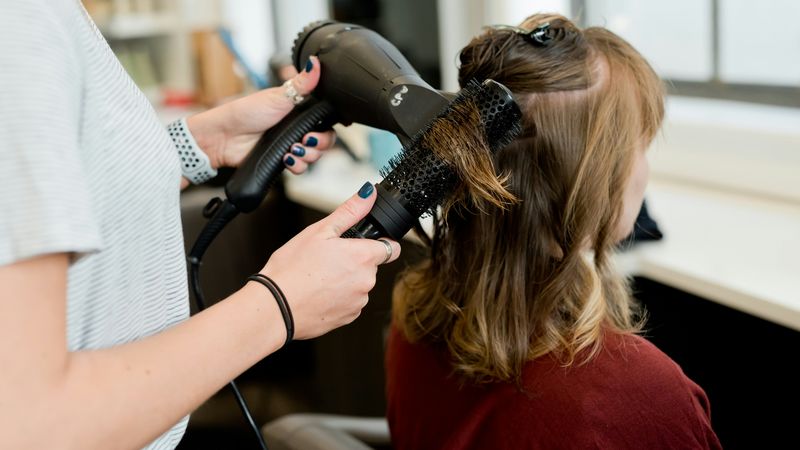
355 programs in 42 states and 2 territories
- Most cost
- $6,500 to $17,471
- Earned a year, estimated
- about $19,900
- Working 6 months later
- 71%
- Finished
- 67%
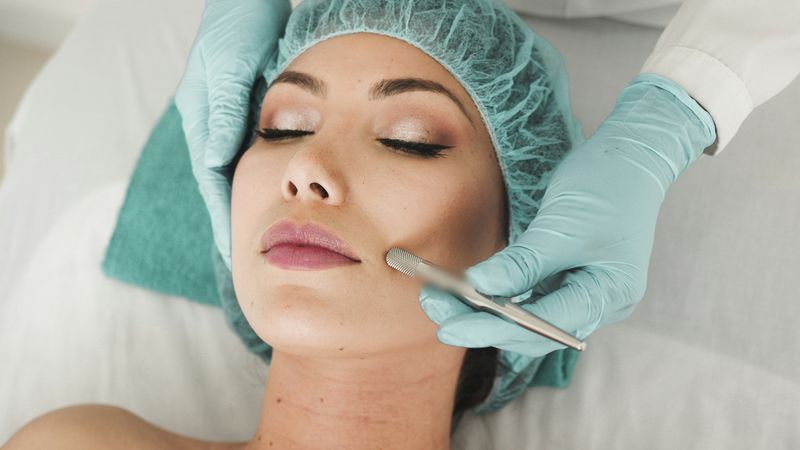
264 programs in 32 states and 1 territory
- Most cost
- $4,678 to $12,025
- Earned a year, estimated
- about $21,700
- Working 6 months later
- 69%
- Finished
- 87%
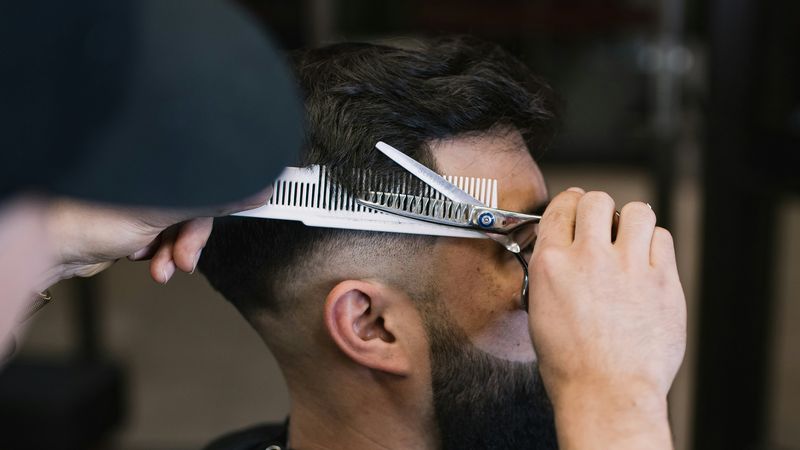
233 programs in 36 states and 1 territory
- Most cost
- $5,984 to $13,288
- Earned a year, estimated
- Not enough data
- Working 6 months later
- Not enough data
- Finished
- 77%
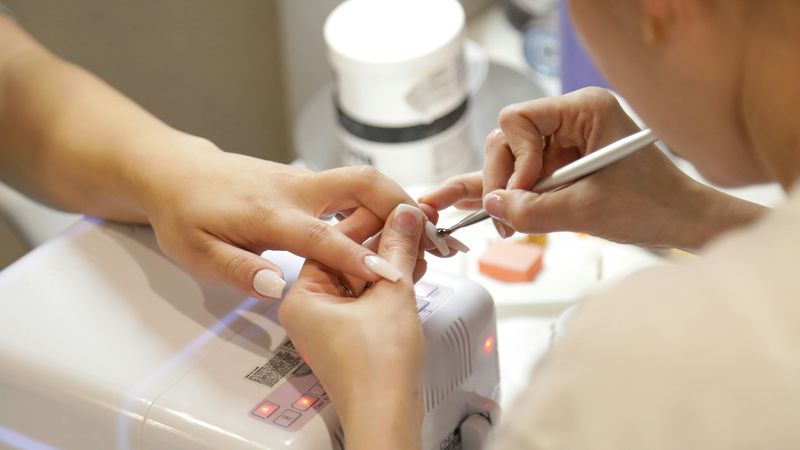
191 programs in 32 states and 1 territory
- Most cost
- $2,665 to $6,192
- Earned a year, estimated
- about $21,200
- Working 6 months later
- 67%
- Finished
- 89%


Each figure is the middle program of that field across the US. Yearly earnings are the reported quarter times four, an estimate. Source: US Department of Labor, program year 2024 (July 2024 to June 2025). Only programs approved for workforce funding are counted. How these figures are made
Beauty school by state: cost, pay and results
| State | Programs | Most cost | Earned a year, estimated | Working 6 months later | Finished |
|---|---|---|---|---|---|
| Alaska | 10 | $3,731 to $6,515 | about $23,500 | 58% | 98% |
| Arizona | 48 | $9,666 to $19,620 | about $32,000 | 74% | 78% |
| California | 120 | $3,940 to $10,338 | about $36,000 | 62% | 87% |
| Colorado | 16 | $3,704 to $10,603 | about $20,700 | 43% | 81% |
| Connecticut | 14 | $4,254 to $10,390 | Not reported | Not reported | Not enough data |
| Delaware | 5 | $1,499 to $17,793 | Not enough data | Not enough data | Not enough data |
| Florida | 2 | Too few figures to show | |||
| Hawaii | 2 | Too few figures to show | |||
| Illinois | 7 | Left out | Not reported | Not reported | Not reported |
| Indiana | 18 | $4,500 to $8,944 | Not reported | Not reported | Not reported |
| Iowa | 25 | $4,840 to $19,165 | about $19,500 | 74% | 82% |
| Kentucky | 4 | Too few figures to show | |||
| Louisiana | 4 | Too few figures to show | |||
| Maine | 7 | $3,040 to $19,535 | about $22,500 | 72% | 89% |
| Maryland | 14 | $3,325 to $14,350 | Not enough data | Not enough data | 98% |
| Massachusetts | 12 | $7,825 to $15,375 | Not enough data | Not enough data | Not enough data |
| Michigan | 23 | $5,190 to $17,702 | about $18,200 | 71% | 67% |
| Minnesota | 52 | $3,290 to $10,260 | about $16,700 | 67% | 68% |
| Mississippi | 2 | Not enough data | Not enough data | Not enough data | Left out |
| Missouri | 36 | $2,838 to $10,000 | Not enough data | Not enough data | Not enough data |
| Montana | 7 | $4,913 to $11,703 | Not reported | Not reported | Not reported |
| Nevada | 32 | $7,000 to $13,153 | about $24,100 | Left out | 80% |
| New Jersey | 15 | $7,209 to $15,150 | Not enough data | Not enough data | Not enough data |
| New York | 13 | $7,374 to $11,278 | Not enough data | Not enough data | Not enough data |
| North Carolina | 40 | $775 to $4,924 | about $19,000 | 58% | 43% |
| North Dakota | 8 | $8,486 to $18,487 | Not enough data | Not enough data | 93% |
| Ohio | 83 | $6,018 to $15,908 | Not enough data | Not enough data | Not enough data |
| Oregon | 5 | $4,950 to $7,450 | Not reported | Not reported | Not reported |
| Pennsylvania | 5 | $3,416 to $9,217 | Not enough data | Left out | Not enough data |
| Puerto Rico | 52 | $8,220 to $11,445 | about $12,600 | Left out | Left out |
| Rhode Island | 6 | $9,574 to $16,272 | about $21,800 | 75% | 83% |
| South Dakota | 4 | Not enough data | Not enough data | Left out | Not enough data |
| Tennessee | 45 | $4,916 to $9,793 | about $17,400 | 67% | 70% |
| Texas | 8 | $7,400 to $10,211 | Not reported | Not reported | Not reported |
| Utah | 16 | $2,400 to $6,536 | about $20,600 | Left out | 81% |
| Vermont | 5 | $5,925 to $19,900 | Not enough data | Not enough data | Not enough data |
| Virginia | 33 | $3,270 to $9,300 | Left out | Not enough data | 100% |
| Washington | 163 | $8,924 to $17,054 | about $25,800 | 72% | 79% |
| West Virginia | 15 | $5,400 to $13,842 | about $31,500 | Left out | 81% |
| Wisconsin | 35 | $4,224 to $7,695 | about $22,000 | 73% | 72% |
| Wyoming | 22 | $5,188 to $13,675 | Not enough data | Left out | 56% |
Each figure is the middle program in that state, all beauty and personal care fields together. Open a state to compare its fields.
Other job training by line of work
- Trade school programs13,156
- IT certification programs7,854
- Business and office training7,270
- Medical certification programs7,167
- Nursing and patient care programs4,782
- Allied health programs3,572
- Transportation and logistics training3,558
- First responder training2,561
- Child care and social services training1,952
- Culinary and hospitality programs900
Programs approved across the US in each line of work.
Where the beauty numbers come from
Which programs are counted?
Programs approved for WIOA funding (public workforce funding under the Workforce Innovation and Opportunity Act) in the fields listed above. Each state keeps its approved programs on an eligible training provider list (ETPL).5 They come from the US Department of Labor's file for program year 2024 (July 2024 to June 2025), covering programs approved as of June 30, 2025. Schools that never applied for approval are missing.
What the figures mean
Each figure is the middle program among those that report it: half did better, half did worse. Prices are what most programs cost if you pay yourself (the middle half). Earnings are for the second quarter after students left, times four. Where a figure is missing, it says why: "Not reported", "Left out" or "Not enough data" (what each means). Some states' figures carry a note on their own pages.
Sources for the funding facts about beauty programs
Show the 5 sourcesHide the sources
- US Department of Labor, TrainingProviderResults.gov: About This Site
- US Department of Labor: WIOA Adult Program
- Code of Federal Regulations, title 20, part 680, sections 680.220, 680.230 and 680.310: career services before training, other grants such as Pell Grants first, and limits on Individual Training Accounts (GovInfo, 2024 edition)
- US Department of Labor: American Job Centers
- US Department of Labor, Training and Employment Guidance Letter 8-19, Attachment I: Requirements for Training Providers, Program Eligibility, and the State Eligible Training Provider (ETP) List