Allied health programs in Georgia
124 allied health programs in 13 fields of allied health, with costs, results and funding that can make them free
42 schools offer these programs, and Georgia has approved every one for workforce funding. Compare the 13 fields below, then open one to see each program with its price and how past students did.
Allied health covers health jobs beyond doctors and nurses. Here that means dental assistants and hygienists, X-ray, MRI, cardiovascular, sleep, dialysis and surgical techs, opticians, physical and occupational therapy assistants, massage therapists and personal trainers, and for animals, vet techs and veterinary assistants. Some take a certificate of a few months; others take a two-year degree.
All job training programs in Georgia, every line of work
Accredited allied health programs in Georgia, each school with its accreditor
Allied health programs by state, to compare Georgia with other states
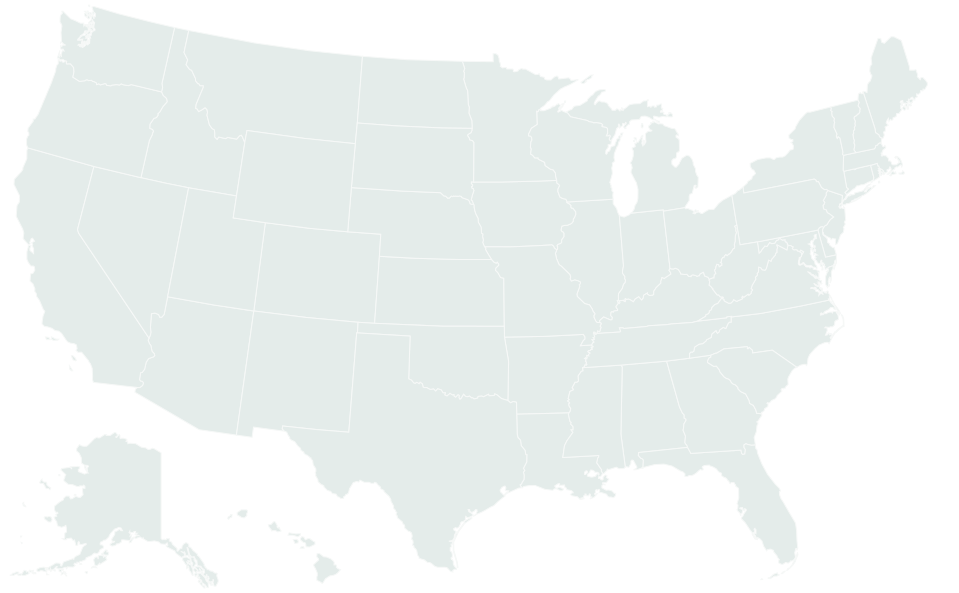
Compare allied health programs in Georgia: cost, pay and results

31 programs at 30 schools
- Most cost
- $3,825 to $7,108
- Earned a year, estimated
- about $24,200
- Working 6 months later
- 80%
- Finished
- 80%
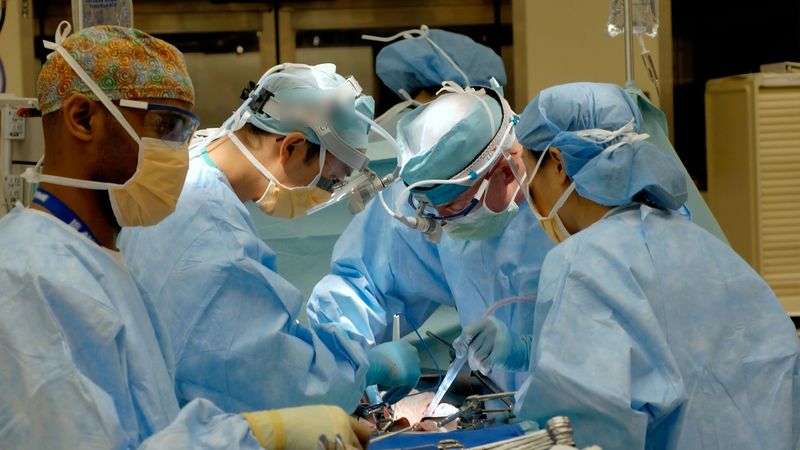
18 programs at 17 schools
- Most cost
- $6,639 to $8,821
- Earned a year, estimated
- about $29,800
- Working 6 months later
- 82%
- Finished
- 62%
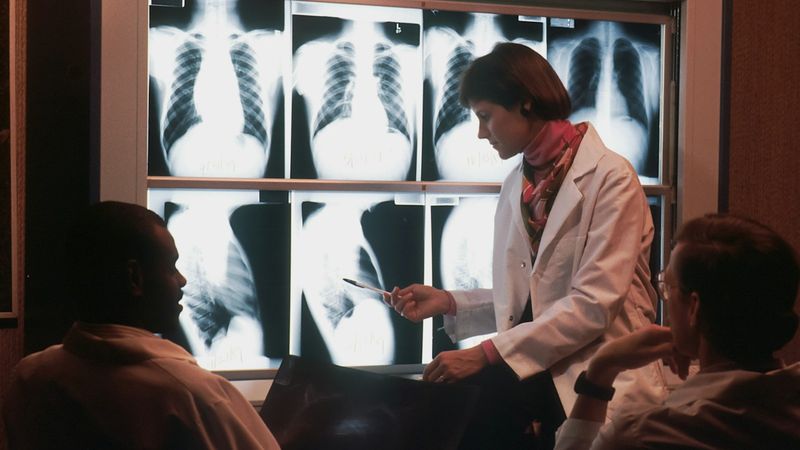
18 programs at 18 schools
- Most cost
- $7,483 to $11,505
- Earned a year, estimated
- about $37,900
- Working 6 months later
- 79%
- Finished
- 37%
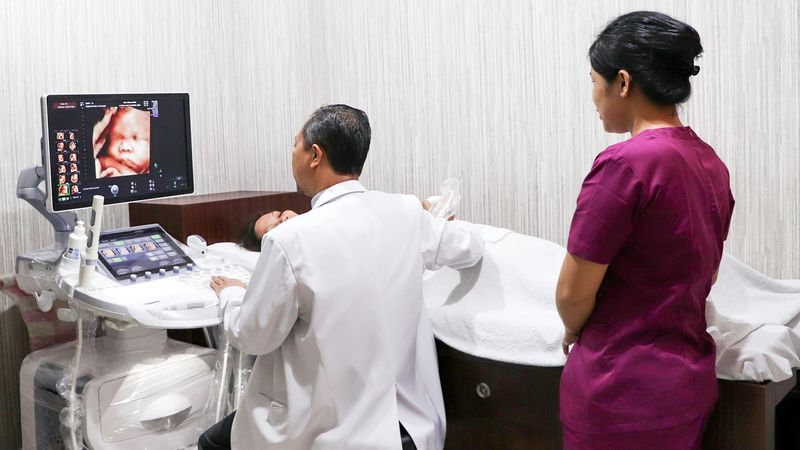
11 programs at 7 schools
- Most cost
- $8,864 to $10,808
- Earned a year, estimated
- about $27,700
- Working 6 months later
- 77%
- Finished
- 38%

11 programs at 10 schools
- Most cost
- $7,872 to $12,024
- Earned a year, estimated
- about $31,300
- Working 6 months later
- 87%
- Finished
- 33%

9 programs at 9 schools
- Most cost
- $8,544 to $11,828
- Earned a year, estimated
- about $49,800
- Working 6 months later
- 80%
- Finished
- 40%
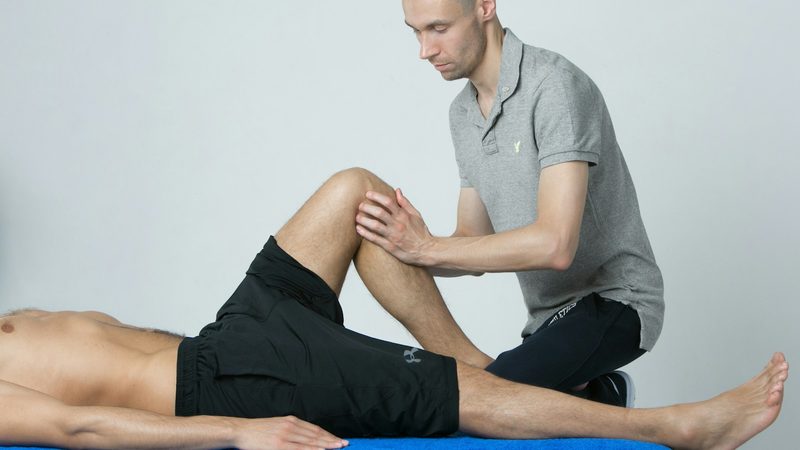
6 programs at 6 schools
- Most cost
- $10,013 to $11,519
- Earned a year, estimated
- about $27,800
- Working 6 months later
- 71%
- Finished
- 33%

4 programs at 4 schools
- Most cost
- Not enough data
- Earned a year, estimated
- Not enough data
- Working 6 months later
- Not enough data
- Finished
- Not enough data
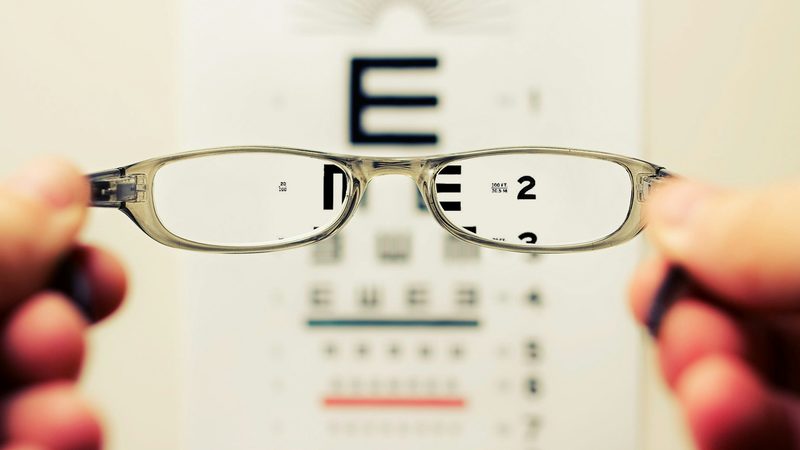
4 programs at 3 schools
- Most cost
- Not enough data
- Earned a year, estimated
- Not enough data
- Working 6 months later
- Not enough data
- Finished
- Not reported
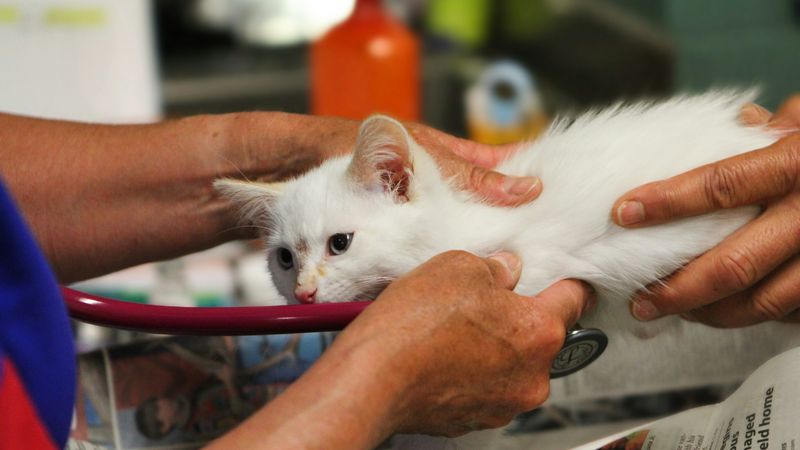
3 programs at 3 schools
- Most cost
- Not enough data
- Earned a year, estimated
- Not enough data
- Working 6 months later
- Not enough data
- Finished
- Not enough data

3 programs at 3 schools
- Most cost
- Not enough data
- Earned a year, estimated
- Not enough data
- Working 6 months later
- Not enough data
- Finished
- Not enough data
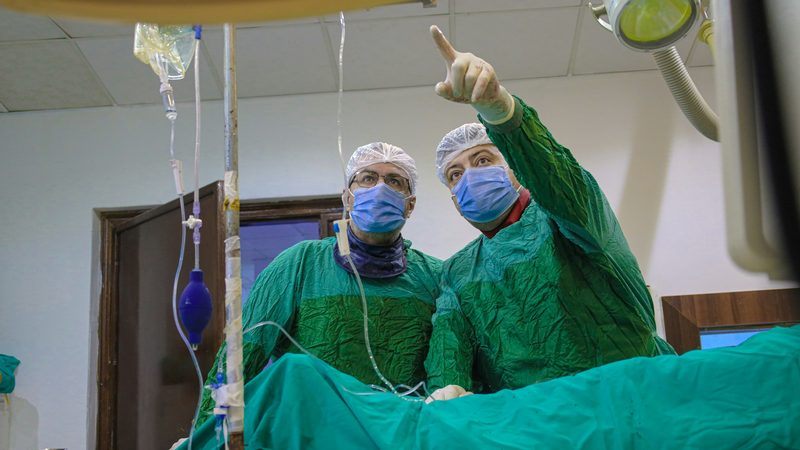
3 programs at 3 schools
- Most cost
- Not enough data
- Earned a year, estimated
- Not enough data
- Working 6 months later
- Not enough data
- Finished
- Not enough data
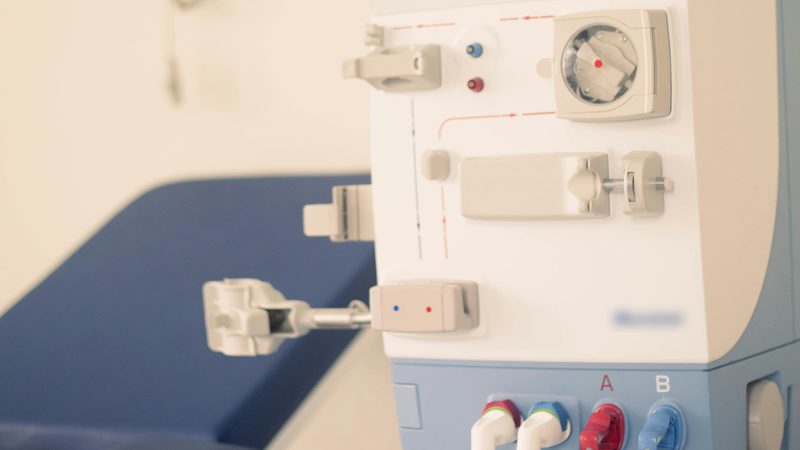
3 programs at 3 schools
- Most cost
- Not enough data
- Earned a year, estimated
- Not reported
- Working 6 months later
- Not reported
- Finished
- Not reported


Each figure is the middle program of that field. Yearly earnings are the reported quarter times four, an estimate. Source: US Department of Labor, program year 2024 (July 2024 to June 2025). Only programs approved for workforce funding are counted; other schools in Georgia may offer more. How these figures are made
Other job training in Georgia, by line of work
- Trade school programs344
- Medical certification programs209
- Business and office training191
- IT certification programs140
- Nursing and patient care programs135
- Transportation and logistics training102
- First responder training96
- Child care and social services training44
- Culinary and hospitality programs35
- All job training in Georgia1,424
Programs approved in Georgia in each line of work.
Where the Georgia allied health numbers come from
Which Georgia programs are counted?
Programs Georgia approved for WIOA funding (public workforce funding under the Workforce Innovation and Opportunity Act) in the fields listed above. Each state keeps its approved programs on an eligible training provider list (ETPL).5 They come from the US Department of Labor's file for program year 2024 (July 2024 to June 2025), covering programs approved as of June 30, 2025. Schools that never applied for approval are missing, so this is a part of what Georgia offers.
What the figures for each field mean
Each figure is the middle program among those that report it: half did better, half did worse. Prices are what most programs cost if you pay yourself (the middle half). Earnings are for the second quarter after students left, times four. Where a figure is missing, the table says why: "Not reported", "Left out" or "Not enough data" (what each means).
Sources for the funding facts about allied health programs in Georgia
Show the 5 sourcesHide the sources
- US Department of Labor, TrainingProviderResults.gov: About This Site
- US Department of Labor: WIOA Adult Program
- Code of Federal Regulations, title 20, part 680, sections 680.220, 680.230 and 680.310: career services before training, other grants such as Pell Grants first, and limits on Individual Training Accounts (GovInfo, 2024 edition)
- US Department of Labor: American Job Centers
- US Department of Labor, Training and Employment Guidance Letter 8-19, Attachment I: Requirements for Training Providers, Program Eligibility, and the State Eligible Training Provider (ETP) List